Designing Through Validation: Refining the Experience
- Tamar Sasi
- 1 day ago
- 3 min read

This week, our focus was on improving the experience through continued validation and iteration.
After multiple rounds of testing with participants, we returned to the prototype with a clearer understanding of where users felt comfortable, where they hesitated, and what helped the experience become more natural and engaging over time.
Instead of making random additions, every change we implemented this week came directly from real user behavior and feedback.
Creating a Softer Entry Point
One of the strongest patterns we noticed during validation was that first-time players often needed a moment to “settle into” the experience.
Many participants understood the game quickly once they started playing, but the very beginning sometimes felt cognitively overwhelming. Players needed to simultaneously understand the rules, the role of the TV and phone, the time pressure, and the different presentation strategies.
Several participants even described the game as becoming clear only after the first round.
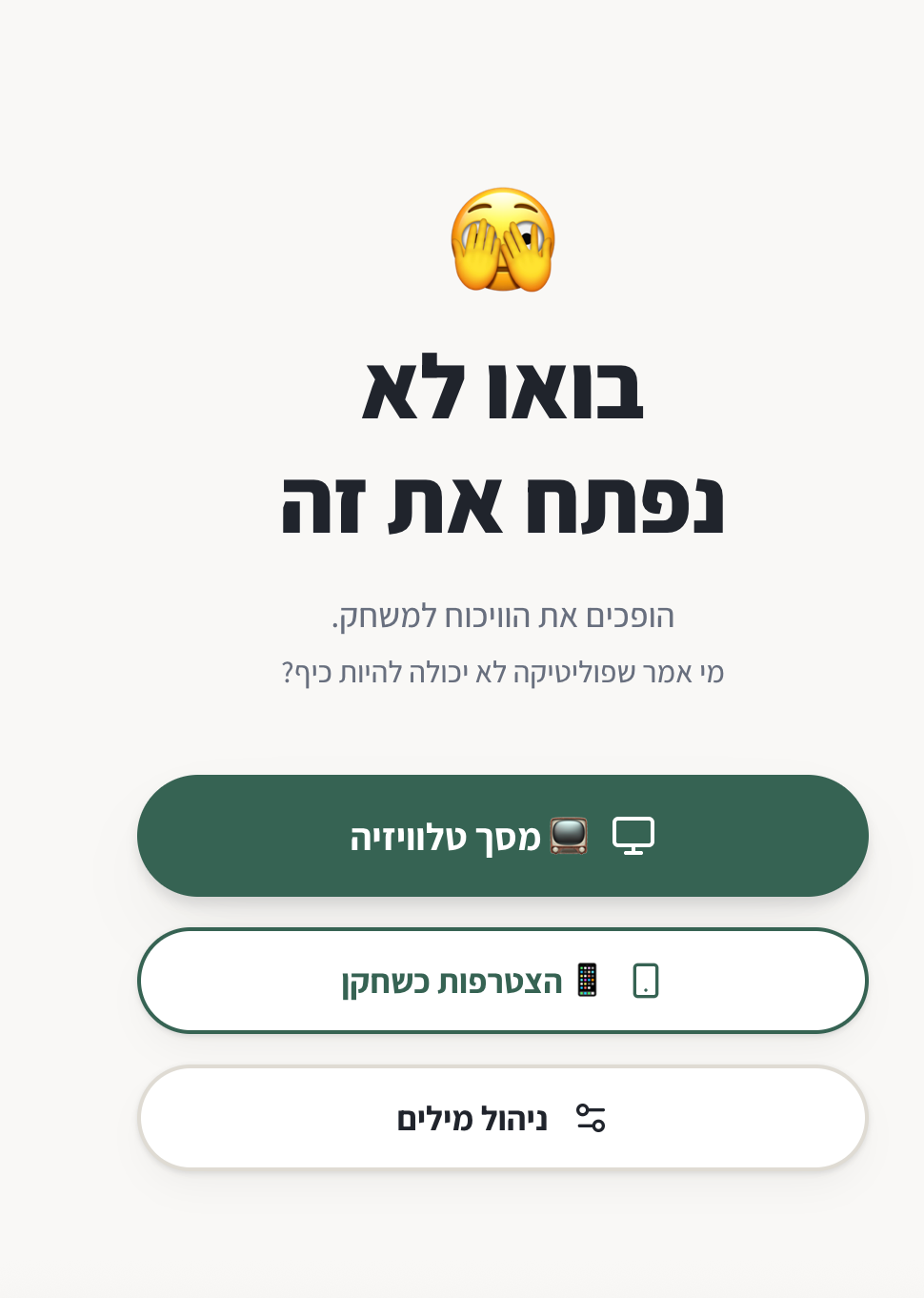
To make onboarding feel lighter and more intuitive, we introduced a practice round specifically for new players. In this first round, the game uses only the classic presentation mode, without the more complex strategic variations.
This creates a gentler introduction and allows players to focus on understanding the flow of the game before adding additional layers of challenge and humor.

Keeping the Game Relevant and Alive
Another insight that repeatedly came up during testing was the importance of relevance.
Participants were much more engaged when the topics reflected conversations they were already hearing around them: current events, social debates, and familiar political language.
Because of this, we added a feature that allows the game’s words and topics to update automatically from online trends and current discourse. Instead of relying only on a static word bank, the experience can now stay dynamic and connected to the real world.
This change helps the game feel more timely, personal, and socially alive.
Letting Players Shape the Experience
During several validation sessions, participants naturally started suggesting their own topics while playing.
Rather than treating this as something outside the system, we realized it could become an important part of the experience itself.
We therefore added a feature that allows players to create and add their own words and topics into the game.
This not only increases replayability and personalization, but also creates a stronger sense of ownership and participation. The game is no longer fully controlled by the system — it evolves together with the people playing it.
What the Validations Helped Us Understand
Looking across all of our recent testing sessions, a very clear insight emerged:
The biggest challenge was not understanding the idea of the game — it was entering the experience confidently for the first time.
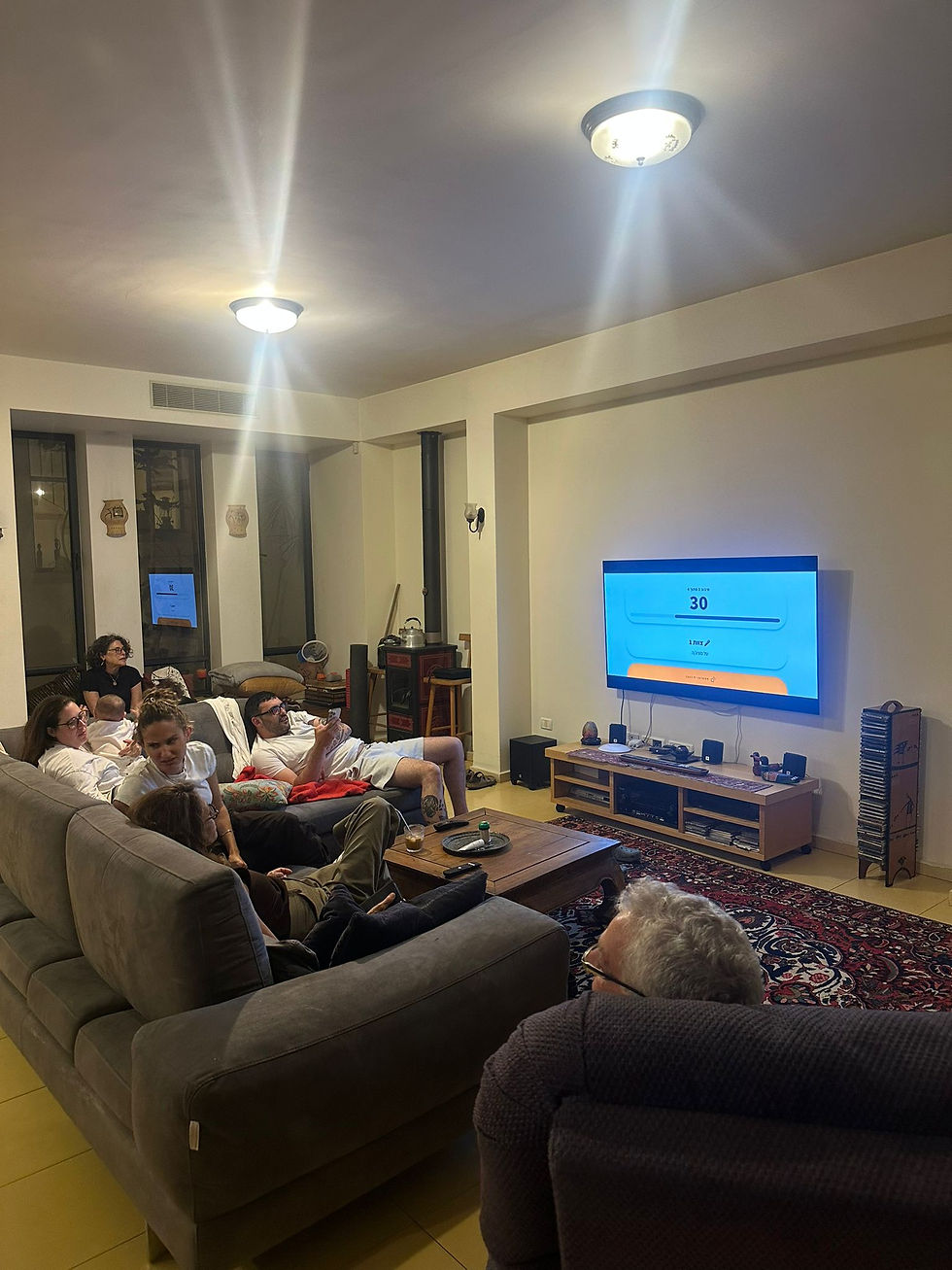
Once participants completed a round, most of them adapted naturally and the interaction quickly became more playful and relaxed. Some users even described the experience as “flowing naturally” after the initial learning moment.
At the same time, the validations highlighted how sensitive social experiences are to small moments of friction. Confusion at the beginning affects the energy of the whole group.
This reinforced something important for us:emotional safety is shaped not only by the conversation itself, but also by onboarding, pacing, clarity, and the feeling that it is okay to “play” without getting something wrong.
From Prototype to Product Thinking
This week felt like another transition point in the project.
We are no longer only testing whether the concept is interesting — we are designing the full emotional journey around it:
How users enter the experience
How they gain confidence
How the game stays fresh over time
And how players themselves become part of shaping the content
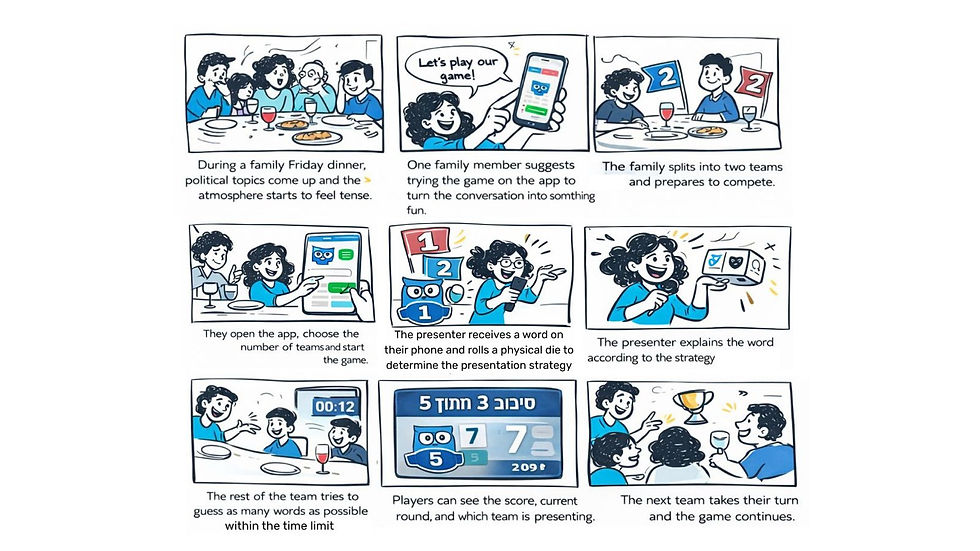
Each iteration pushes the project closer to becoming not just a prototype, but a complete social product experience.
Looking Ahead
Next week, we’ll continue validating these new features and refining the interaction flow even further.
Our goal remains the same:to create a playful and emotionally safe structure that helps people engage with sensitive topics in a way that feels lighter, more natural, and less threatening.



Comments