Testing Our Direction: Pitching the Concept and Learning From Experts
- Tamar Sasi
- Dec 24, 2025
- 3 min read

This week was about putting our direction to the test.After refining our focus on emotionally charged conversations within close relationships, we were asked to prepare a pitch and present our project to experts in the field. The goal was not only to share an idea, but to examine whether our assumptions, framing, and proposed solution truly make sense outside the lab.
From a Broad Theme to a Focused Challenge
In our pitch, we began by walking through the journey that led us here. We started the year with a broad interest in social cohesion and gradually noticed a recurring pattern: people want to be part of social and political conversations, but in practice they often avoid them.
At first, we explored this avoidance in academic and public settings, especially among students. However, as our research deepened, we realized that the emotional cost of difficult conversations becomes much higher in places people cannot simply opt out of — particularly within families and close relationships.
In these contexts, disagreement does not end with logging off or walking away. The emotional stakes are higher, the history is deeper, and the desire to preserve the relationship is stronger.
Pitching the Process and the Proposed Solution
Alongside the process, we presented a concrete solution concept that reflects our insights so far.
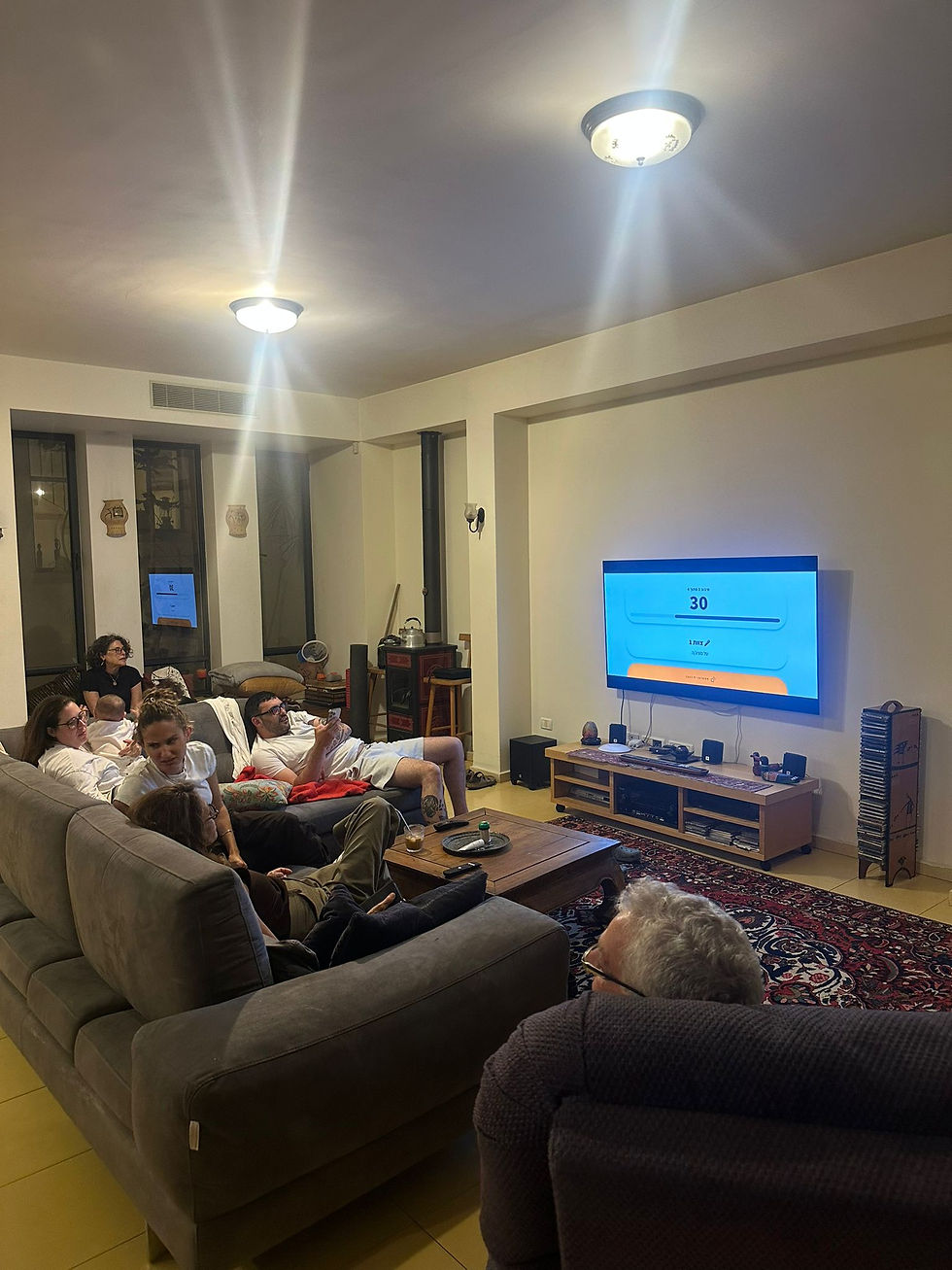
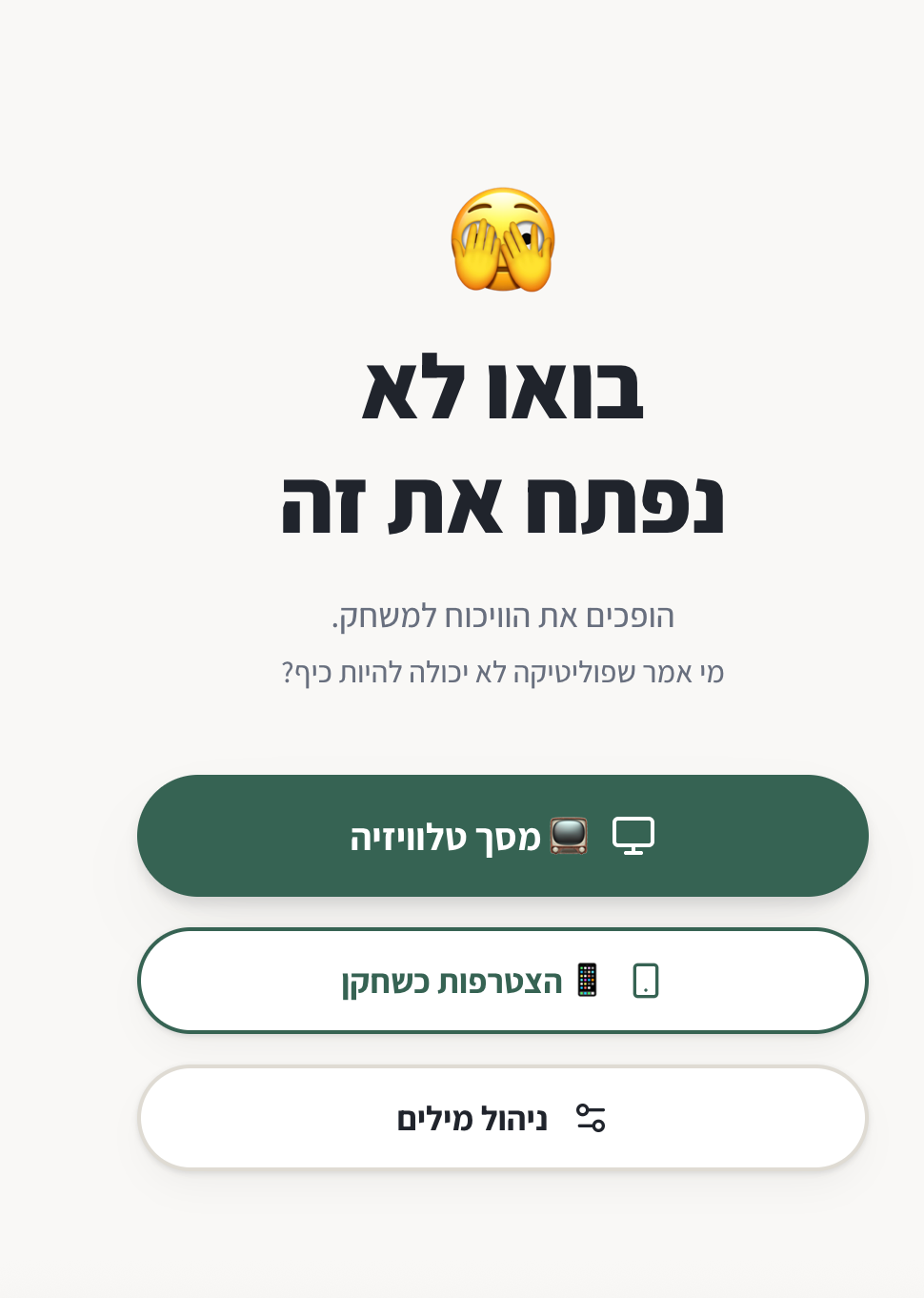
We introduced a shared, screen-based experience designed for physical spaces such as a family living room, often after a tense moment like a Friday night dinner. The experience uses game mechanics to lower emotional tension and create distance from personal identity.
Participants are divided into small groups, while each player receives private instructions on their phone. Instead of presenting their own opinions, players are asked to represent positions they may not personally hold, using different communication strategies — for example, humor, factual reasoning, or exaggeration. The rest of the group must guess the topic being presented, without knowing the strategy behind it.
By shifting the focus from what people believe to how ideas are expressed, the interaction encourages listening, empathy, and curiosity without pushing participants to convince each other or reach agreement. The content itself remains current and relevant, but the structure stays consistent, helping the experience feel safe rather than personal.
We emphasized that our solution is not meant to resolve political disagreements or determine who is right. Its purpose is to help people remain in relationship, even when disagreement is unavoidable.
Meeting the Experts: Feedback and Reflections
The conversation with experts was both validating and challenging.
They strongly supported our emotional approach, noting that focusing on feelings rather than opinions is critical in polarized environments. Humor, they agreed, can be a powerful tool for reducing defensiveness and allowing people to stay engaged without feeling attacked.
At the same time, they pushed us to think more deeply about our impact. They asked questions such as: Who is gaining empathy for whom? What emotional shift are we hoping to see after the interaction? And how do we address political “camps” without reinforcing them?
One comparison that resonated with us was political satire. Much like how people across the political spectrum can laugh at content they don’t necessarily agree with, humor can allow exposure to opposing views without requiring identification or agreement.
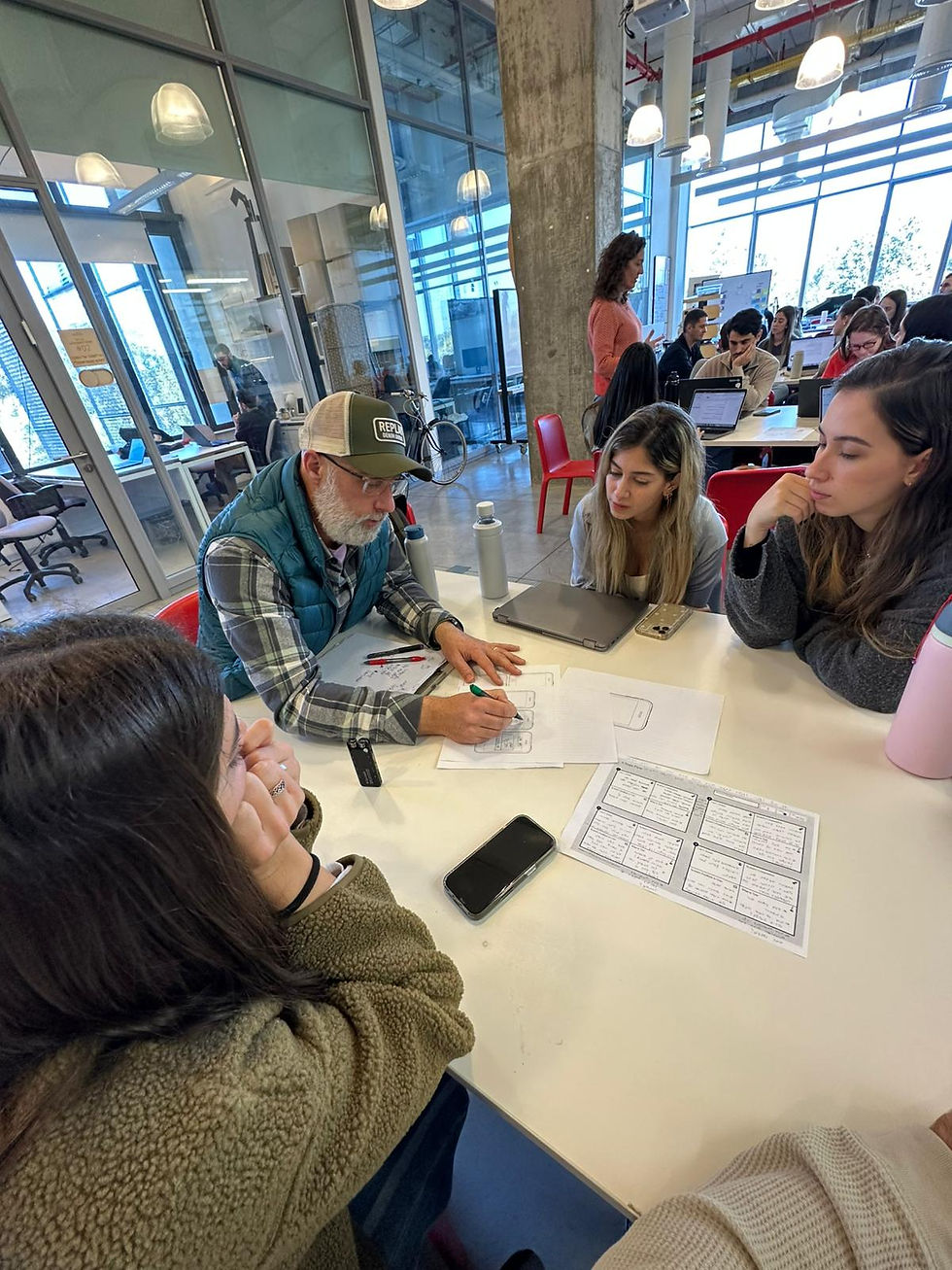
We also received practical guidance about next steps especially the importance of sketching interfaces, building early prototypes, and continuing to test our assumptions with real users.
What's next
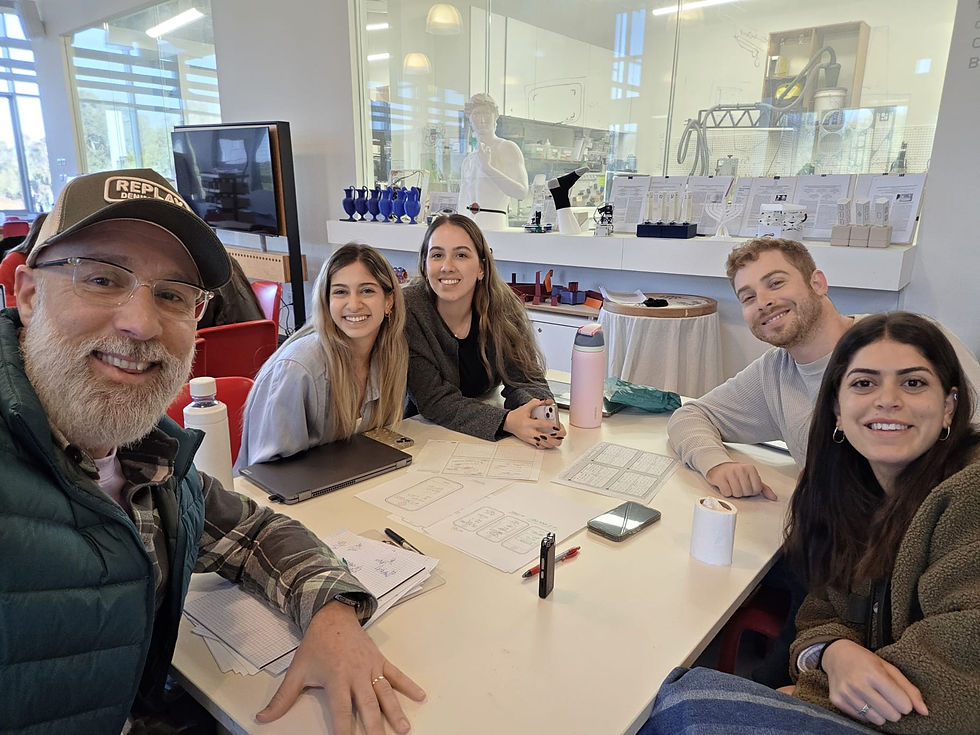
Based on the feedback we received this week, our next step will be to organize the insights into clear categories: what we want to implement, what we want to avoid, and what we are still uncertain about. This process will help us sharpen our design principles and make intentional decisions moving forward.
Next week, we will move into prototyping: translating our concept into early visual and interactive forms. Whether through Figma, Lovable, or simple paper sketches, the goal is not to perfect the interface, but to validate the core idea.
At this stage, we are focused on testing whether the experience itself makes sense, feels safe, and creates the emotional shift we are aiming for before diving into content details, button design, or fine interaction elements.



Comments