Week 4: Interviewing Students
- Tamar Sasi
- Nov 19, 2025
- 3 min read

Updated: Nov 25, 2025
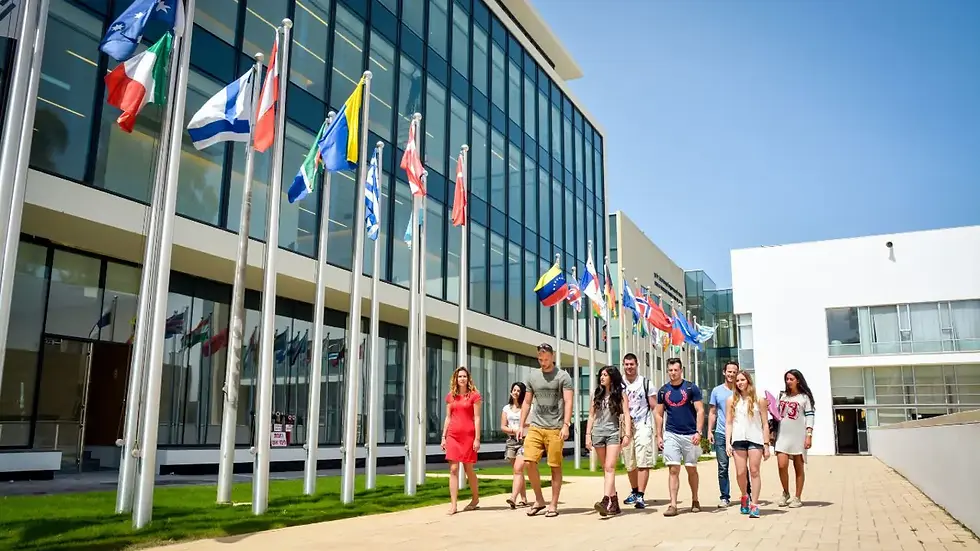
This week we shifted our focus from experts to our end users: students. After hearing about the factors behind the fear of dialogue, we wanted to understand how this plays out in students’ everyday lives: online, in class, and in conversations with friends.
Through several interviews across different universities, majors, and backgrounds, we began to see a clear picture.
What We Learned Online conversations feel unsafe and unproductive.
Students described the online space as aggressive, exhausting, and often disrespectful. Many told us that conversations “turn offensive very fast,” and that the problem isn’t anonymity but the lack of responsibility people have for what they say. As one student explained, “People don’t stand behind what they say.” Because of this, they prefer not to respond at all. They see everything, but choose not to engage. “I just ignore it, it never feels worth it,". Exposure is high, but participation is almost nonexistent.
Face-to-face works better but only when respect is present In person, students feel more comfortable talking, but only under specific conditions: listening, empathy, and a calm tone. When these exist, they’re open to sharing their opinions. But the moment the conversation feels dismissive, even something as small as an eye-roll everything stops. One student described a recent experience: “When he rolled his eyes, I stopped talking.” Respect isn’t a bonus. it’s the minimum requirement for dialogue.
Students see many opposing opinions but stay silent
Every student we interviewed is exposed to a wide range of viewpoints on a daily basis, through social media, friends, classmates, and family. But exposure doesn’t translate into expression. “I see it all the time, I just don’t react,” one student said. Even when they disagree, they prefer to stay quiet rather than enter a space that feels tense or pointless.
Fear of being judged or labeled
A recurring obstacle was the fear of being categorized politically, socially, or academically. Students told us they avoid sharing opinions because they don’t want to be “put in a box.” One said, “At class people are afraid to say something that won’t be accepted,” especially when lecturers or people with authority are around. The fear of how others will perceive them often outweighs the desire to express themselves.
If I’m not knowledgeable enough, I stay quiet
Many students shared that they prefer not to open a discussion unless they feel confident in their understanding. “If I don’t understand the topic, I won’t open it,” someone told us. The pressure to sound informed or intelligent leads to silence, especially around complex or political issues.
The strongest theme: a sense of hopelessness
More than anything, we heard a feeling of emotional exhaustion. Students aren’t avoiding conversations because they don’t care they avoid them because they don’t believe they will lead anywhere. Over and over we heard phrases like: “It doesn’t lead anywhere,” “We’re both stuck in our opinions,” and “Even if I comment, it won’t make a difference.” This sense of futility is one of the biggest barriers to meaningful dialogue.
What’s next
These interviews helped us form a deep understanding of the emotional and social barriers that prevent students from expressing their opinions. The problem isn’t the lack of exposure to different viewpoints it’s the lack of spaces that feel safe, respectful, and meaningful.
Next week, our focus will shift to sharpening our target audience and defining the specific context in which these challenges appear. We will work on identifying their core needs, frustrations, and motivations, and explore what solutions or workarounds students currently rely on to navigate difficult conversations.


Comments